
Bitcoin Magazine
Iran’s Rial Collapses Against U.S. Dollar — Is Bitcoin Emerging as an Alternative?
Iran’s national currency, the rial, has completely collapsed against the U.S. dollar as the country’s economic crisis worsens. The value of one rial is now worth $0.00 right now.
On the open market, one U.S. dollar now trades for roughly 1.4 million rials, a collapse that has erased decades of purchasing power and fueled widespread unrest.
The currency’s plunge isn’t new, but the pace of decline in 2025 and early 2026 has been dramatic. Sanctions remain severe, oil revenues have shrunk, and political instability has driven investors and ordinary Iranians to seek alternatives to the rial and even to the U.S. dollar.
Inflation is soaring. Prices on food, medicine and basic goods have jumped sharply, forcing many families to spend a larger share of income just to survive. The official inflation rate climbed above 42% late last year, though actual costs for staples may be higher at this point.
The economic strain has spilled into the streets. Bazaar merchants and students have taken part in protests across cities from Tehran to Isfahan and Shiraz, condemning both economic mismanagement and political repression.
In the capital of Tehran, traditional supporters of the theocratic government have openly turned against clerical leadership as conditions worsen.
These protests have led Iran to impose telecom blackouts and jam satellite services, prompting citizens to turn to offline communication tools. Bitcoin focused apps like Bitchat and Noghteha enable secure messaging via Bluetooth and mesh networks without internet access, with Noghteha specifically adapted for Iranian users.
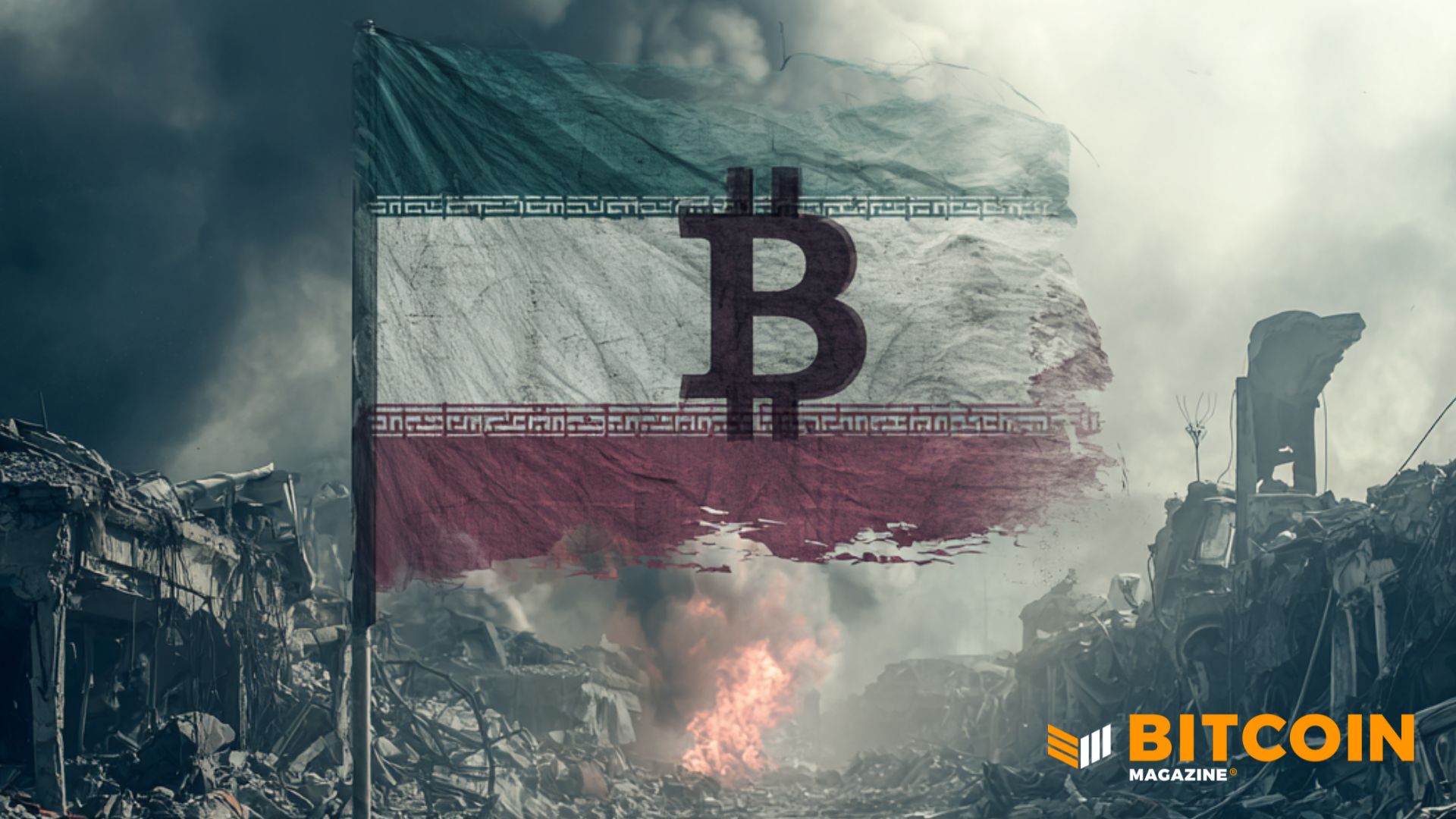
Iran's currency has collapsed and is now officially worth $0.
Iran needs Bitcoin
— Bitcoin Magazine (@BitcoinMagazine) January 12, 2026
 Iran's currency has collapsed and is now officially worth $0.
 pic.twitter.com/s5GxaXupbt
Iran needs Bitcoin
Against this backdrop, Bitcoin’s profile in Iran has quietly risen. Long before the latest collapse, crypto adoption in the Middle East and North Africa was accelerating, partly as a hedge against unstable local currencies and restrictive financial systems.
In the past weeks, reports, mainly those from blockchain analysis company Chainalysis, have highlighted Bitcoin and crypto’s role in the unrest. State actors and private citizens alike have moved value through crypto channels, both to preserve savings and to evade the limitations of the rial and sanctioned banking system.
Chainalysis data shows Iranian‑linked services moved more than $4 billion out in 2024, a jump of about 70% year over year. Iranian centralized exchanges swelled with users looking to swap rials for any asset that holds value beyond the border
Industry voices are framing Bitcoin as more than a financial curiosity. Some analysts and executives point to Bitcoin as an “exit option” for Iranians who see the rial’s collapse as a failure of traditional money. These narratives emphasize Bitcoin’s fixed supply and global liquidity as shields against inflationary policies and external pressure.
Even so, obstacles remain. Iran’s government has maintained strict controls on digital finance, cracking down on unregistered mining and monitoring crypto platforms. Official policies often contradict private behavior, creating legal uncertainty for Iranians trying to use crypto as a safe haven.
It’s times like these that point to why we need bitcoin as a race. Bitcoin stands out as the tool it was created to be: resilient, borderless, free and censorship-resistant.
This post Iran’s Rial Collapses Against U.S. Dollar — Is Bitcoin Emerging as an Alternative? first appeared on Bitcoin Magazine and is written by Micah Zimmerman.